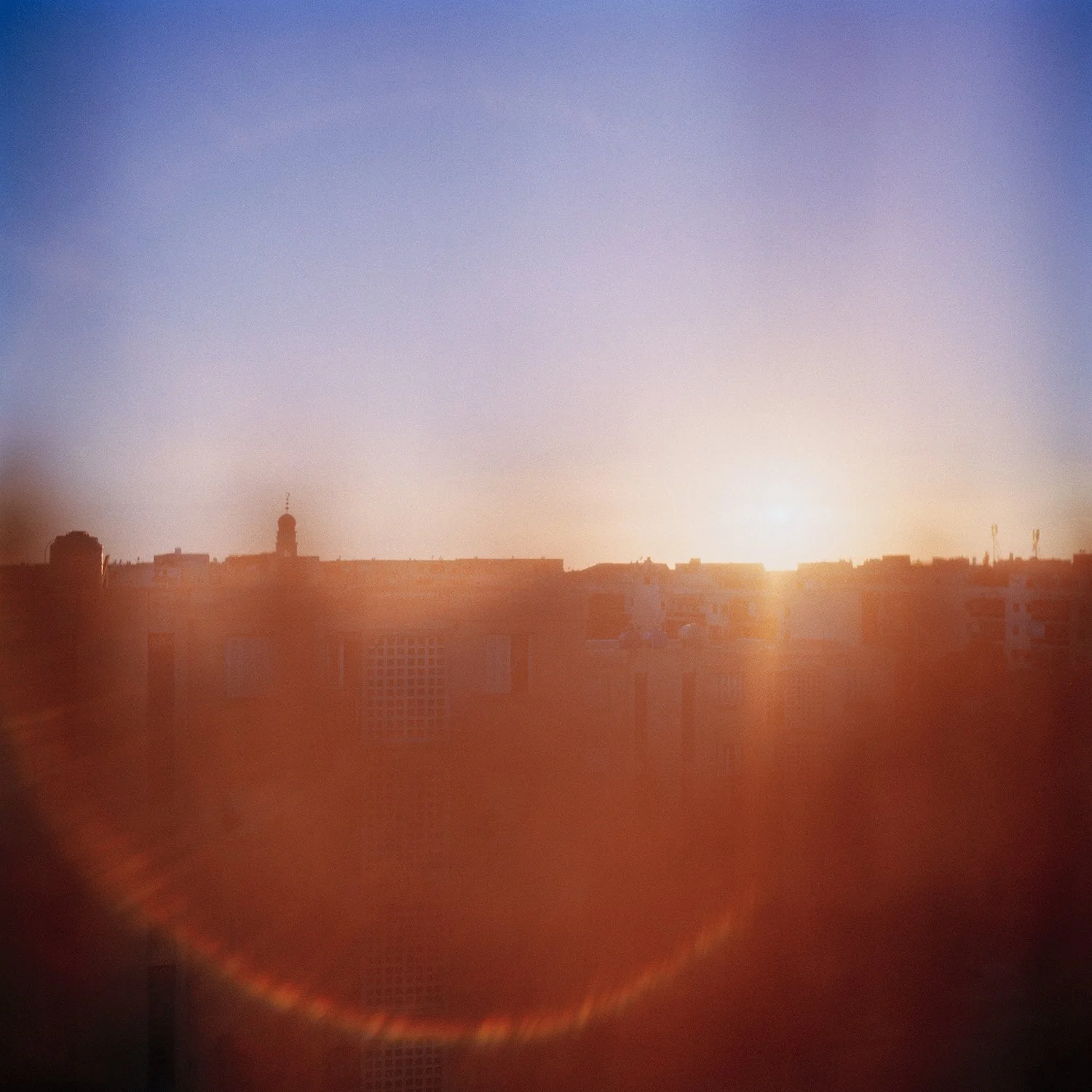
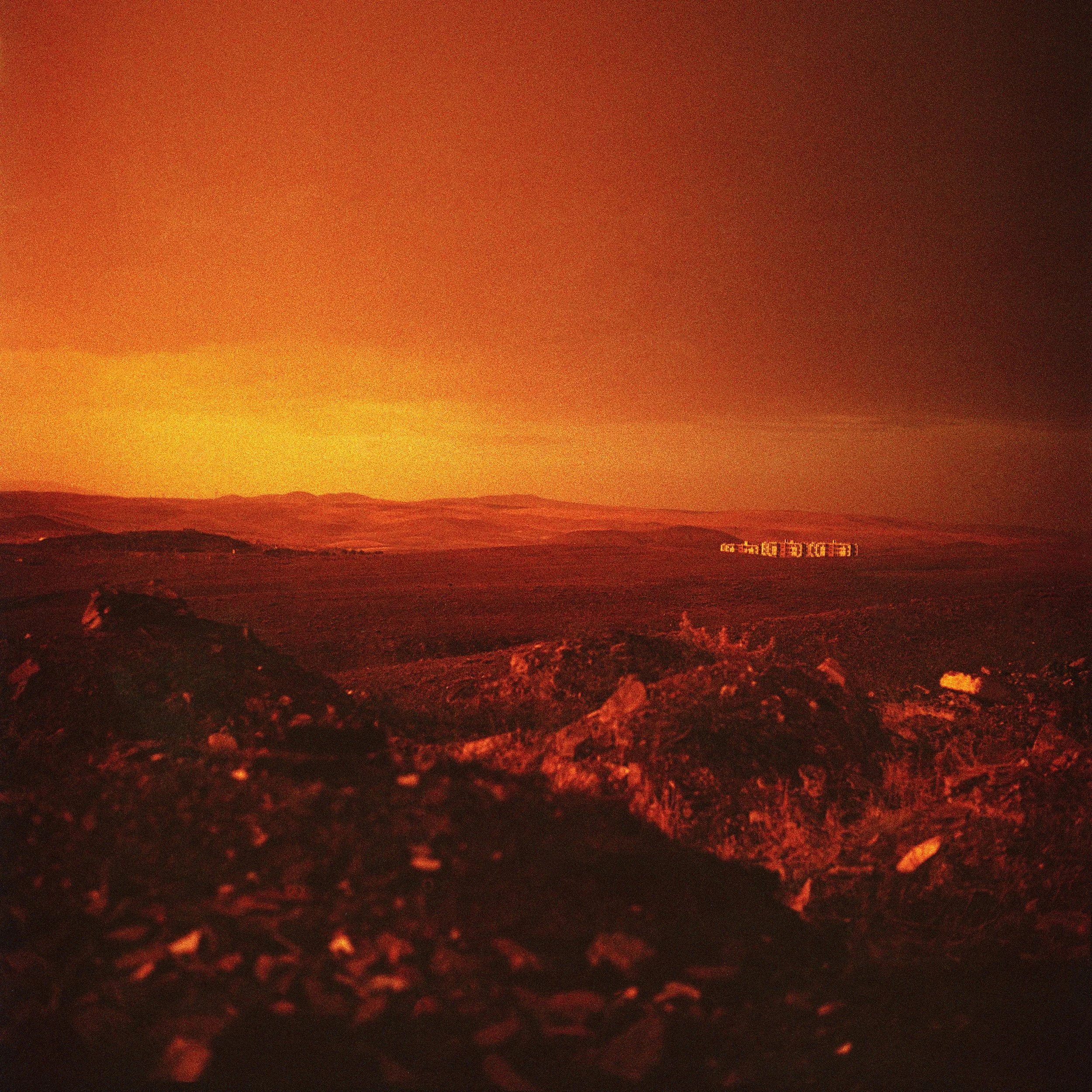
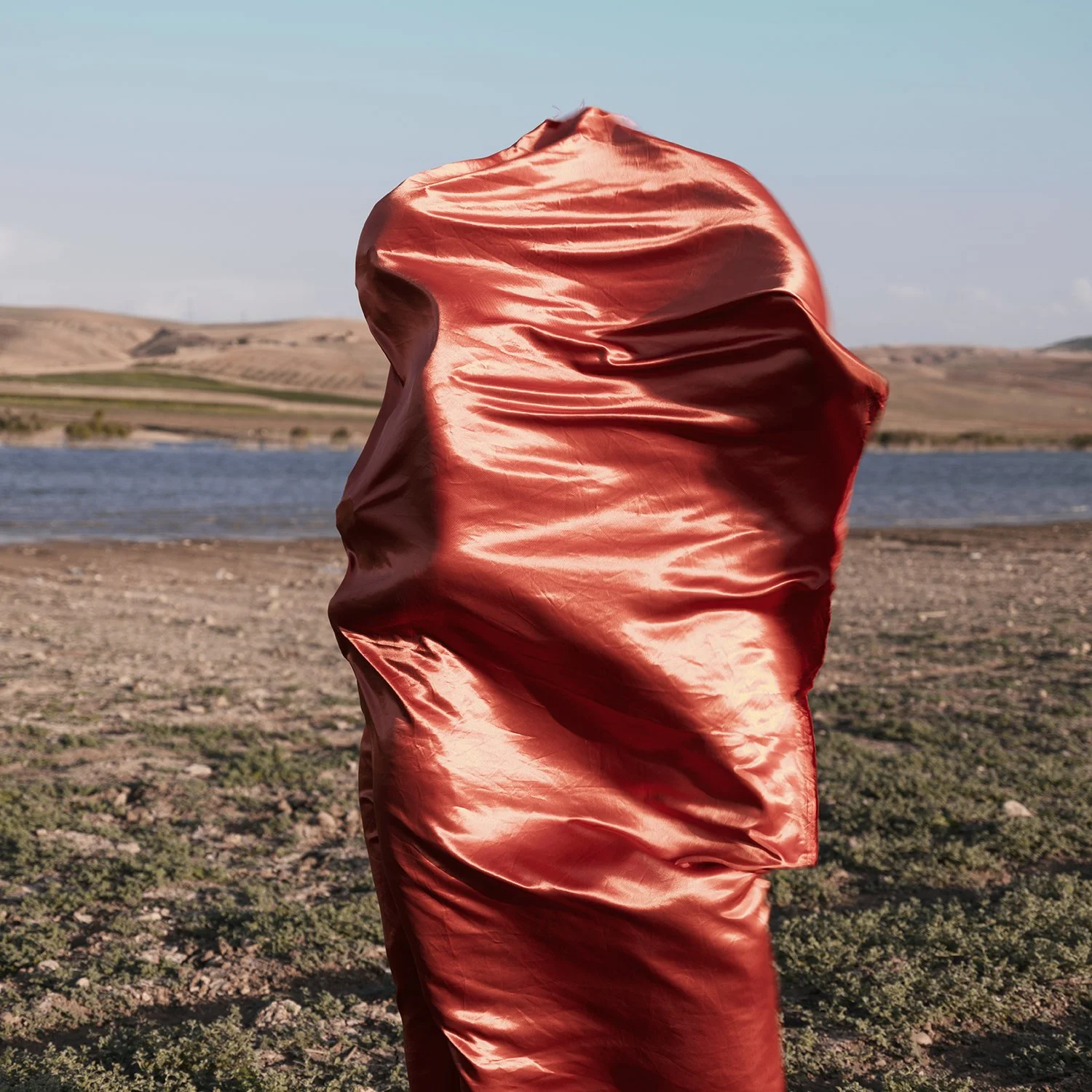
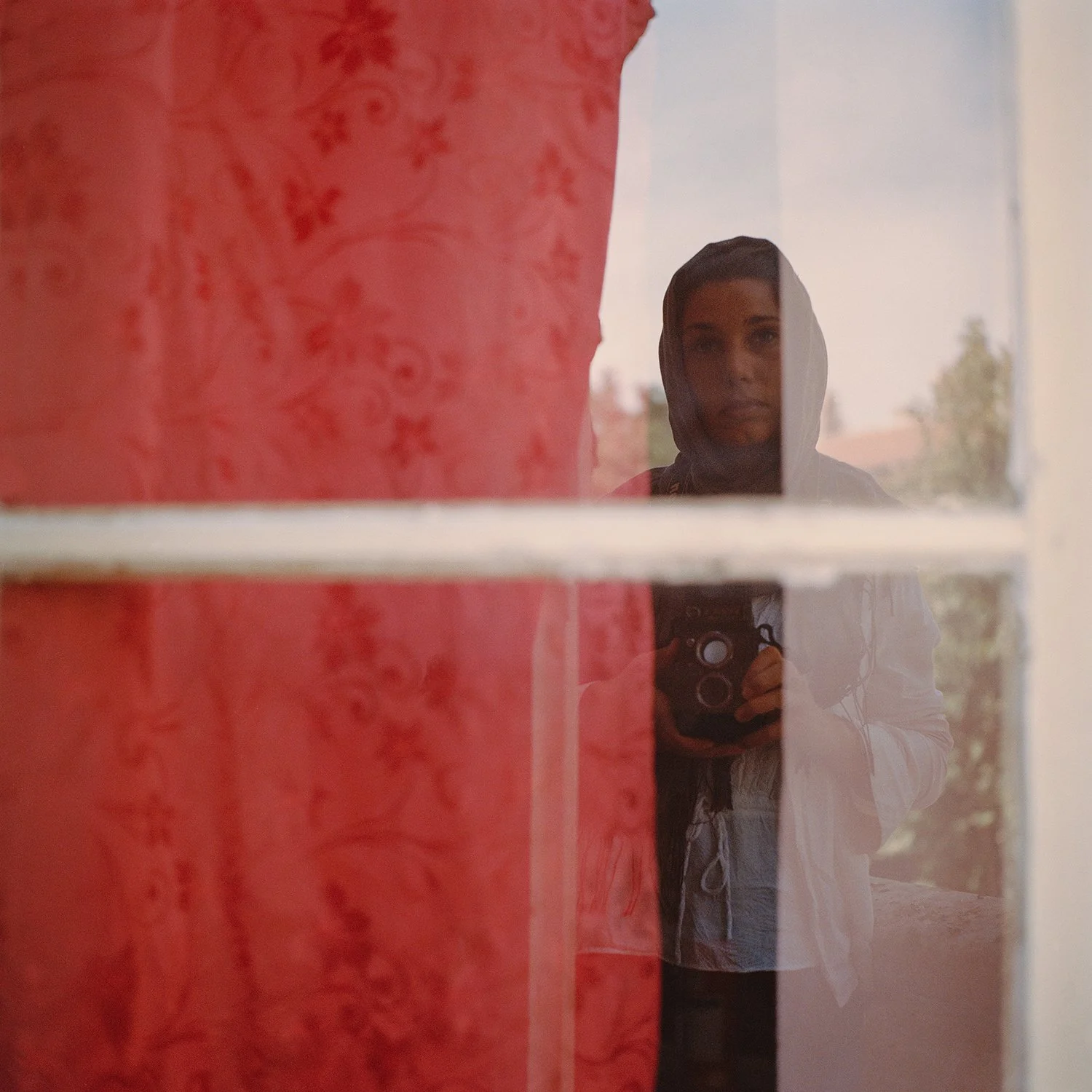
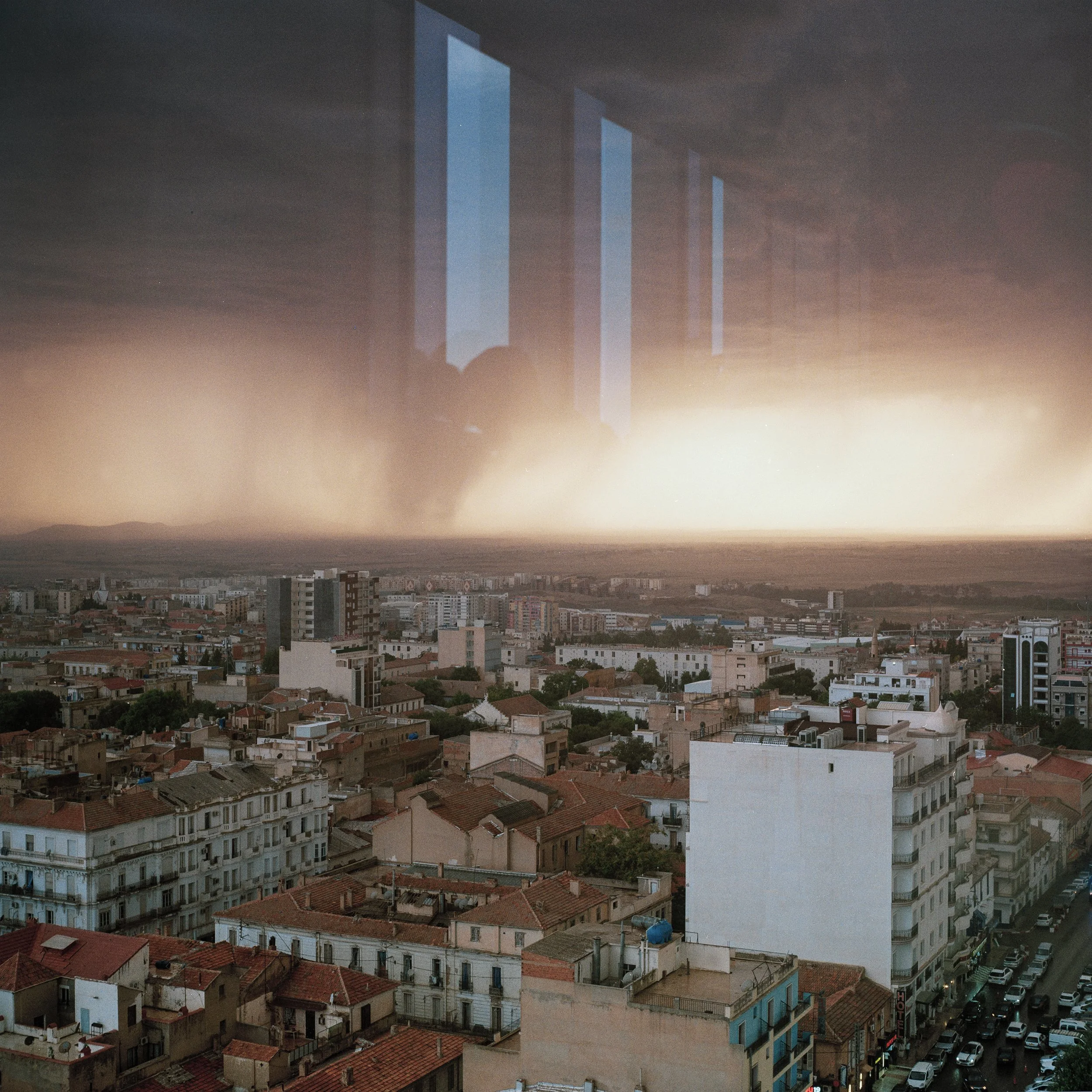
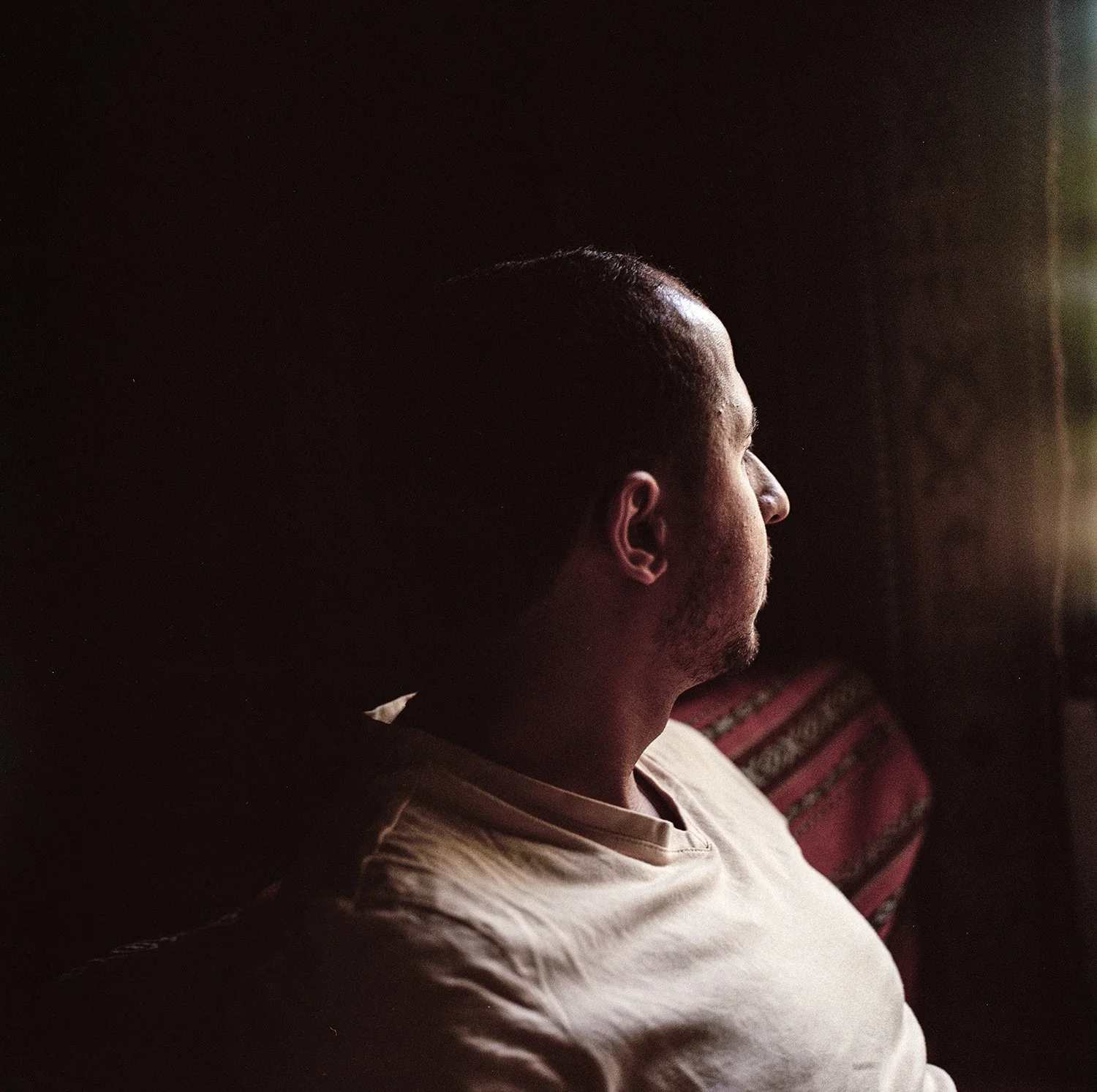
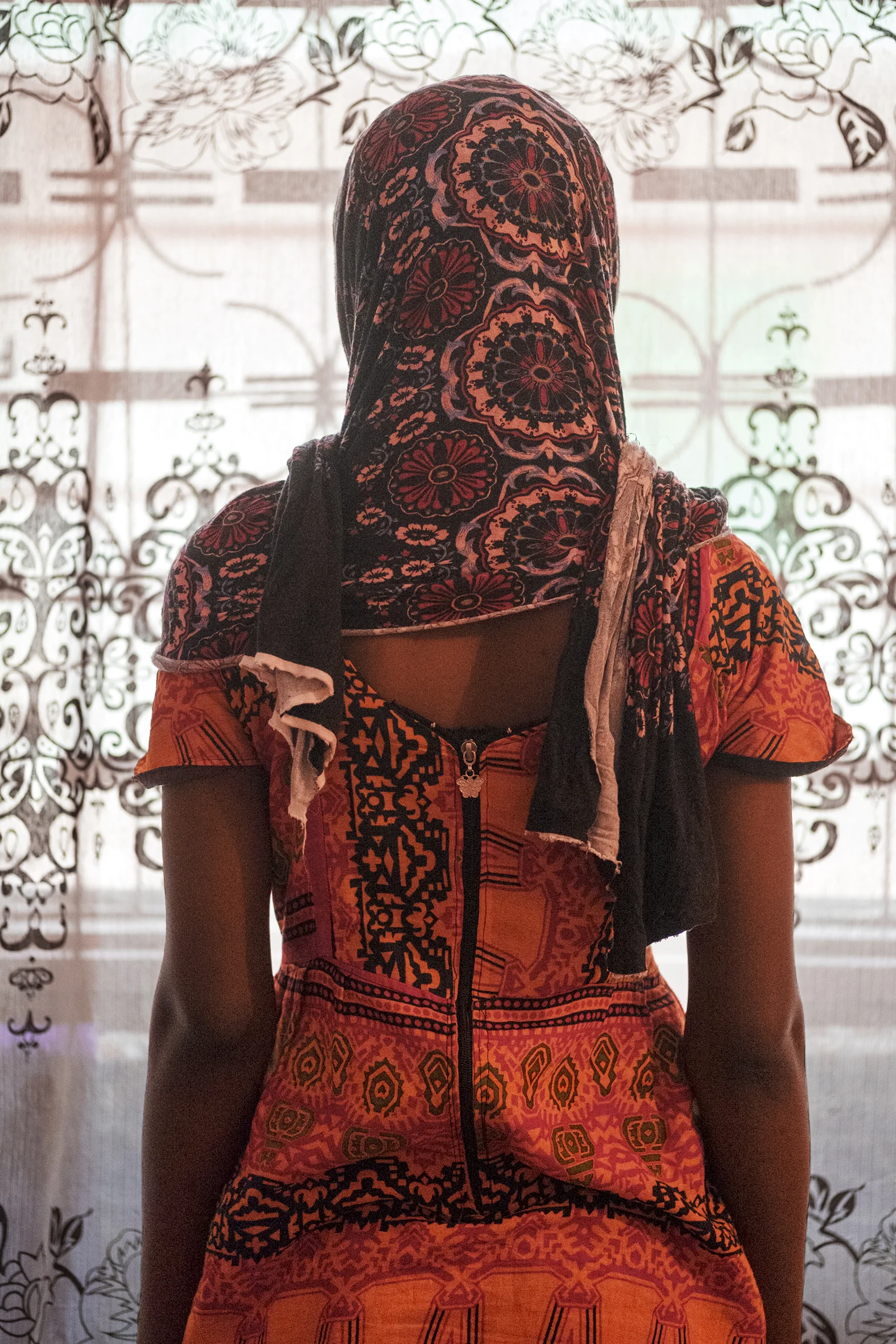
Suisse et Algérie, 2017-2023
Je me souviens du premier regard. Il a ouvert les yeux calmement et m’a regardée. Il était vivant.
Mais les souvenirs avaient disparu. Amnésie.
Il me voyait sans me reconnaître.
Hospitalisé à Genève, il avait oublié qu’il avait quitté son pays et nous inventait une vie dans son Algérie natale.
LUI
Chaque jour, la mémoire se reconstruisait. Un mot, un objet, une chanson, un visage, chaque détail m’aidait à retrouver les souvenirs de mon passé. J’ai travaillé dur, c’était comme un grand nettoyage pour enlever le voile de poussière qui m’empêchait de voir la réalité et qui avait recouvert ma mémoire pendant une longue absence.
ELLE
Six jours de coma artificiel, une attente interminable. Toutes les deux heures, tentative de réveil. Les courtes secondes d’éveil ne permettaient pas de communiquer. Le regard vide. Aucune réaction à nos voix. Il tentait vainement d’arracher le tuyau qui le faisait respirer.
Mercredi 13 décembre 2017, Il regarde une photographie de sa chambre et lui dit:
«Je connais cet appartement. Une fille y habite.
-Oui, c’est vrai.
Tu te souviens de cette fille?
-Non, je ne me souviens pas d’elle. Dans son appartement, il y avait trois cactus. La cuisine était près de la porte d’entrée et il y avait un porte-manteau à gauche.
-Tu vivais là-bas ?
-Non mais je crois que j’y allais très souvent. On passait du temps tous les deux, parfois beaucoup de temps sans voir personne d’autre. On cuisinait ensemble. J’appelais avant d’arriver chez elle pour savoir ce que je devais apporter.
-Et tu as d’autres souvenirs ?
-On laissait les vélos dans le garage en bas. Sa mère vivait juste en face.
-Elle était comment sa mère ?
-Je ne sais plus...
-Et la fille était brune ou blonde?
-Je ne sais plus...
-Comment elle s’appelait ?
-Je ne me souviens plus...”
They left Senegal dreaming to settle down in Europe. Economic necessity, aspiration for adventure and travel, success ambition, motivated by religious faith and family sacrifice, the reasons to leave are numerous. They stopped by Turkey to cross the turkish-greek borders on foot or by boat. Some of them would have preferred to continue their odyssey further but Schengen wall-guarded borders forced them to stay in Greece. Thousands of kilometers, borders and seas separate them from their families. For several years without residence permit, going back to Senegal would of meant the end of the European dream. Numerous years then, without seeing their close relatives who also have no chance of getting granted a visa for Europe. Two territories, two lives and the attempts to reduce the distance. “Il faut marcher” is a documentary work showing the country of departure and of arrival. The images bring together combine and assemble the family members. Inspired by Jim Goldberg’s approach, I wanted to give a global view of migration. My Swiss passport gave me the privilege to cross borders and carry out this project. It made me think and work on the meanings of the word “home” and the attachment to places. “Il faut marcher” associates portraits, landscapes and still-life. At times they take on a neutral or banal appearance and sometimes they remind us of the geographic distance, confusing places and representing the loss of landmarks. Through humanist portraits, I aimed to diminish the differences in order to make the viewer dive into familiar faces.
Adji Sow, Mamadou Ndiaye’s cousin, married a man who lives in Italy. She is the second wife and knows him only in a long distance relationship. She raises their children in Senegal and meets him once or twice a year. Senegal, August 2017. © Nora Teylouni
Abdoulaye Sock, 14 years without return. Abdoulaye Sock is 43 years old. In 2004 he decides to leave Senegal to join a friend in Turkey. The first times in Istanbul is a shock and makes him feel locked. Without perspectives of life and work, he prefers to give a chance in Europe et cross by boat illegally. He got arrested by greek authorities when he arrived on Samos island. After 3 months in detention center, released, he goes to Athens. It is “the adventure” for Abdoulaye who “plays hide-and-seek” with the police. Today, after 14 years in Athens, he is the president of the Senegalese association of Athens. In Dakar, I met his brother Abdou. Greece, July 2017. © Nora Teylouni
Goree island, off the coast of Dakar, is a symbolic place of the slave trade in Africa. This island has been from the 15th to the 19th century the largest slave trading center of the African coast. Senegal, August 2017. © Nora Teylouni
Abdou Sock, holding a picture of his gone brother Abdoulaye. He’s a taxi driver and lives in the family house in Pikine, popular district of Dakar. In his house, a room is empty for 14 years since Abdoulaye’s left. It’s ready and available for him when he gets back. Senegal, August 2017. © Nora Teylouni
Abdou Sock, Abdoulaye’s brother. He’s a taxi driver and lives in the family house in Pikine, popular district of Dakar. In his house, a room is empty for 14 years since Abdoulaye’s left. It’s ready and available for him when he gets back. Senegal, August 2017. © Nora Teylouni
Rear window. Senegal, August 2017. © Nora Teylouni
View from the old house’s roof’s Mamadou Ndiaye in Dakar before he went to Greece, Senegal, August 2017. © Nora Teylouni
Mamadou 6 years without return. Mamadou Ndiaye arrives in Greece in 2011. He is married and father of a little boy when he leaves his country. Today, after obtaining a residence permit, he can go back and forth to visit his wife, who’s expecting a baby, and his son. Mamadou wants to work in Greece to provide his family. I met Mamadou a few years ago in Greece and I got the chance to see him again in 2017, for his first visit in Senegal after a long time. Senegal, August 2017. © Nora Teylouni
The French-Swiss borders around the canton of Geneva are closed during the coronavirus outbreak to limit circulation. Only a few remain open under the control of customs officers, border guards or the army.
Switzerland, April 20, 2020. Swiss-french borders closed because of COVID-19 outbreak. Route de Bois-Chatton (GE). © Nora Teylouni
Switzerland, April 5, 2020. Swiss-french borders closed because of COVID-19 outbreak. Chemin départemental Bourdigny. © Nora Teylouni
Switzerland, April 3, 2020. Swiss-french borders closed because of COVID-19 outbreak. Route de Bois-Chatton (GE). © Nora Teylouni
Switzerland, April 3, 2020. Swiss-french borders closed because of COVID-19 outbreak. Route de Bois-Chatton. © Nora Teylouni
Switzerland, April 2, 2020. Swiss-french borders closed because of COVID-19 outbreak. © Nora Teylouni
Switzerland, April 4, 2020. Swiss-french borders closed because of COVID-19 outbreak. Route des Mangons (GE). © Nora Teylouni
Switzerland, April 5, 2020. Swiss-french borders closed because of COVID-19 outbreak. Chemin de la Carpendelière (GE). © Nora Teylouni
Switzerland, April 6, 2020. Swiss-french borders closed because of COVID-19 outbreak. Route de Monniaz (GE). © Nora Teylouni
Switzerland, April 5, 2020. Swiss-french borders closed because of COVID-19 outbreak. Chemin de Bourdigny (GE). © Nora Teylouni
When I arrived in Warshaw I wandered through this city that I didn’t know at all. Going back to the hotel at night I was troubled by my observations of such a homogeneous population. I decided then to meet foreigners. Who were they ? Do they feel stigmatized ? How do they rebuild an identity far from home? After having heard some very racist commentary about muslims one morning at the market, I chose to focus my project on this small community in Warshaw. I spent one day at the mosque and met people from Libya, Yemen, Egypt, Syria, Irak and Turkey. They accepted to participate. Dealing with migration and exile, “Tous ces printemps qu’il reste à voir” (All these springs still to come) shows men mostly from arab and all from muslim origin. In a context of permanent conflicts in Middle-east, hopes for peace seem to crumble like the walls of the mosque, built two years ago in only seven days, the time limit offered by the Polish authorities.
Poland 2017. © Nora Teylouni